More Pembroke news


Pembroke theologians co-launch report with UNICEF on eradicating child marriage in Pakistan
NEWS |
Two Pembroke College theologians have recently launched an important policy report on child marriage in Pakistan, in partnership with UNICEF and the National Commission for the Rights of the Child (NCRC), a government body with responsibility for child protection.
For the past two years, Professor Justin Jones, Pembroke’s Tutorial Fellow in Theology and Religion, and Dr Muhammad Faisal Khalil, Research Fellow at Pembroke, have led the partnership through ‘Religion and the Frontier Challenges’, a postdoctoral research programme which is based at Pembroke College and led by Professor Jones. The research project asks how religion relates to child marriage in Pakistan, and how it can play a part in ending it.
Farrah Ilyas, Child Protection Specialist at UNICEF Pakistan, says: “This research has been instrumental for UNICEF Pakistan in addressing one of the most significant evidence gaps in our understanding of child marriage: the role of religion. The findings and recommendations will continue to strengthen our advocacy, programming, and technical efforts to end this harmful practice, which affects millions of children across Pakistan, especially girls.”
“Religion is a variable that most research on this issue has avoided,” adds Dr Khalil. “We found that the protections Islam built around marriage have quietly fallen out of public and scholarly thinking. Our work aims to put those protections back, and to build them into how marriages are actually enacted and registered in Pakistan.”
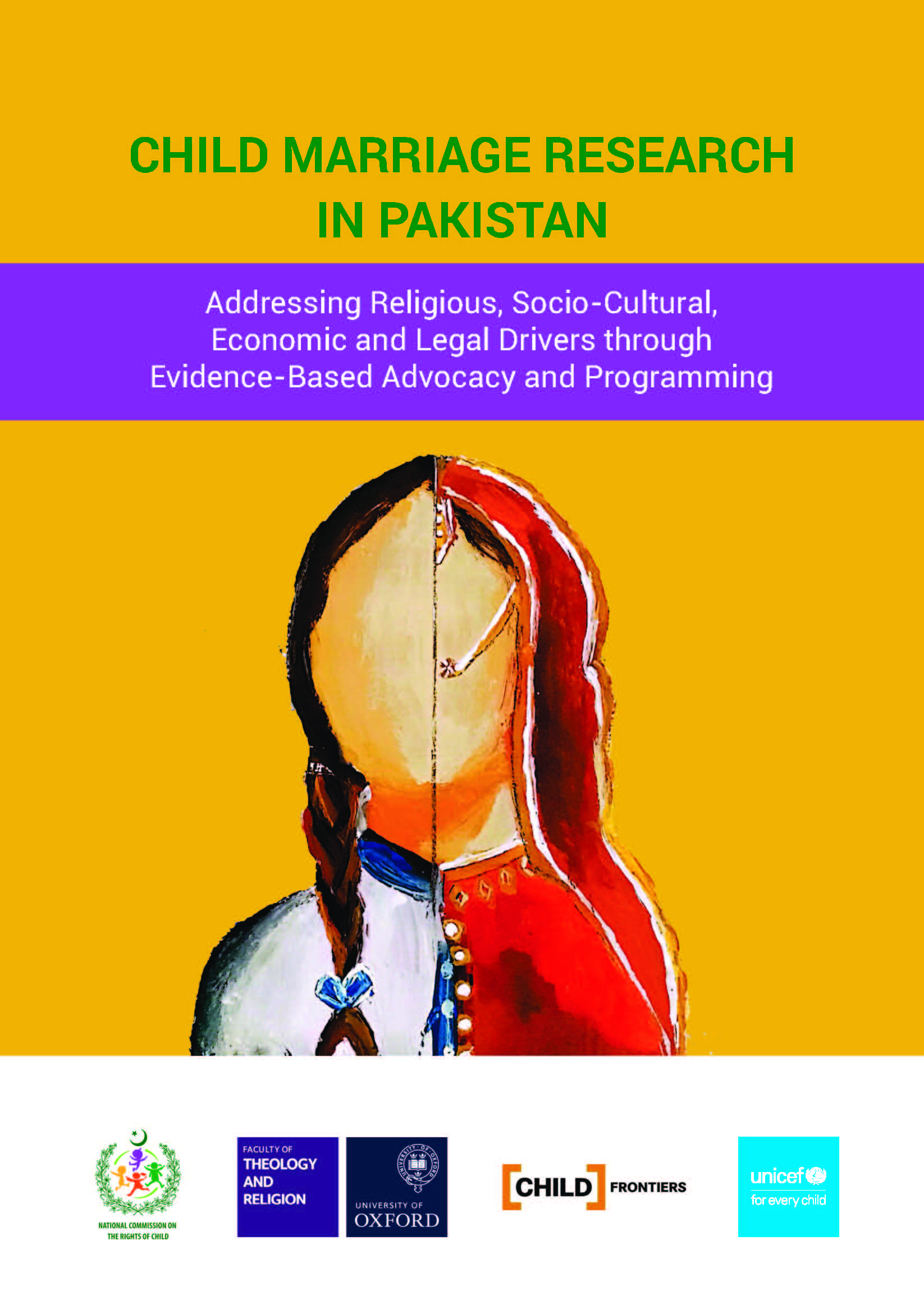
With support from local partners, the research team have been working with a number of religious bodies and other stakeholders to develop recommendations to eradicate child marriage, ranging from policy interventions to education and public awareness programmes. The report’s flagship output is a redesign of Pakistan’s standard Islamic marriage contract so that no marriage can proceed until the bride’s and groom’s ages have been verified against the national identity database. Other recommendations target the networks that facilitate child marriages, the digital religious content that parents rely on, and the decision-moment when marriages are arranged.
“This research collaboration sits across theology, law, and policy,” says Professor Jones. “Questions about how religious authority is constituted, how juristic traditions are read, and what Islamic law says about marriage and registration practice need expertise from the theological disciplines. The partnership with UNICEF Pakistan and the NCRC has been an attempt to bring that disciplinary depth into a policy register without diluting either side.”
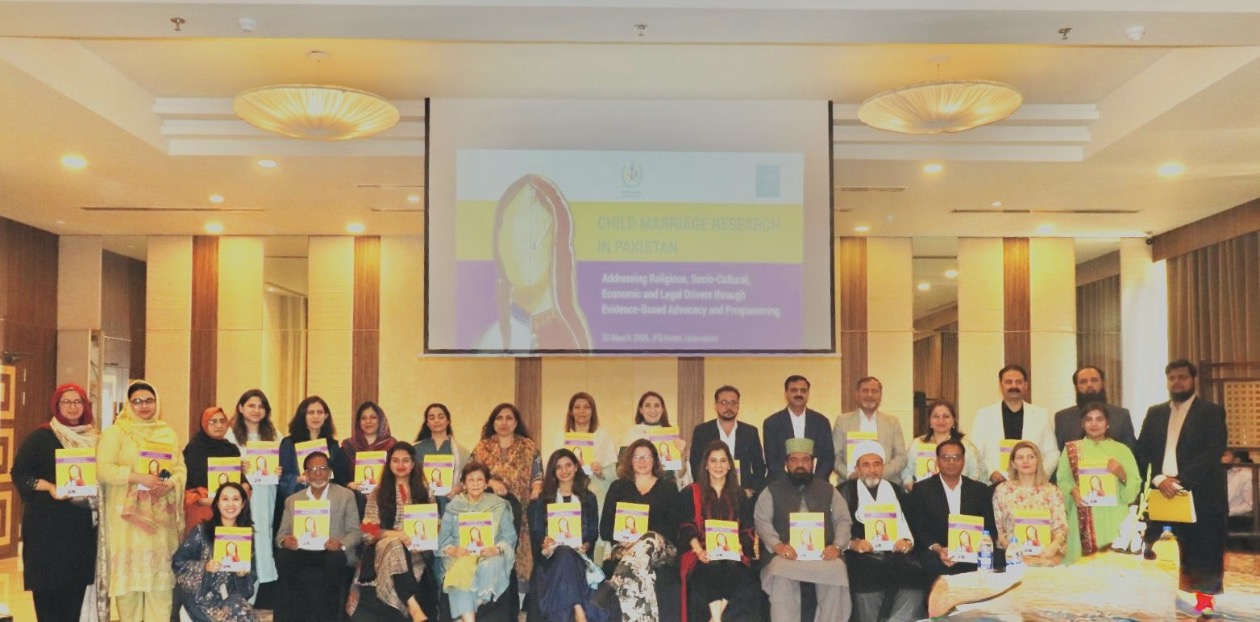
The recent report was launched by NCRC and UNICEF in Islamabad on 30 March 2026, and will inform campaigns against child marriage across the country. Over the duration of the project, Dr Khalil and Professor Jones have also organised a number of workshops, talks and training events in Pakistan, including a recent panel with UNICEF at Thinkfest, one of Pakistan’s leading policy festivals, which was commentated in the national press.