
More Pembroke news


Dr Ed Mitchell takes up Research Lead post at Broadmoor Hospital
NEWS |
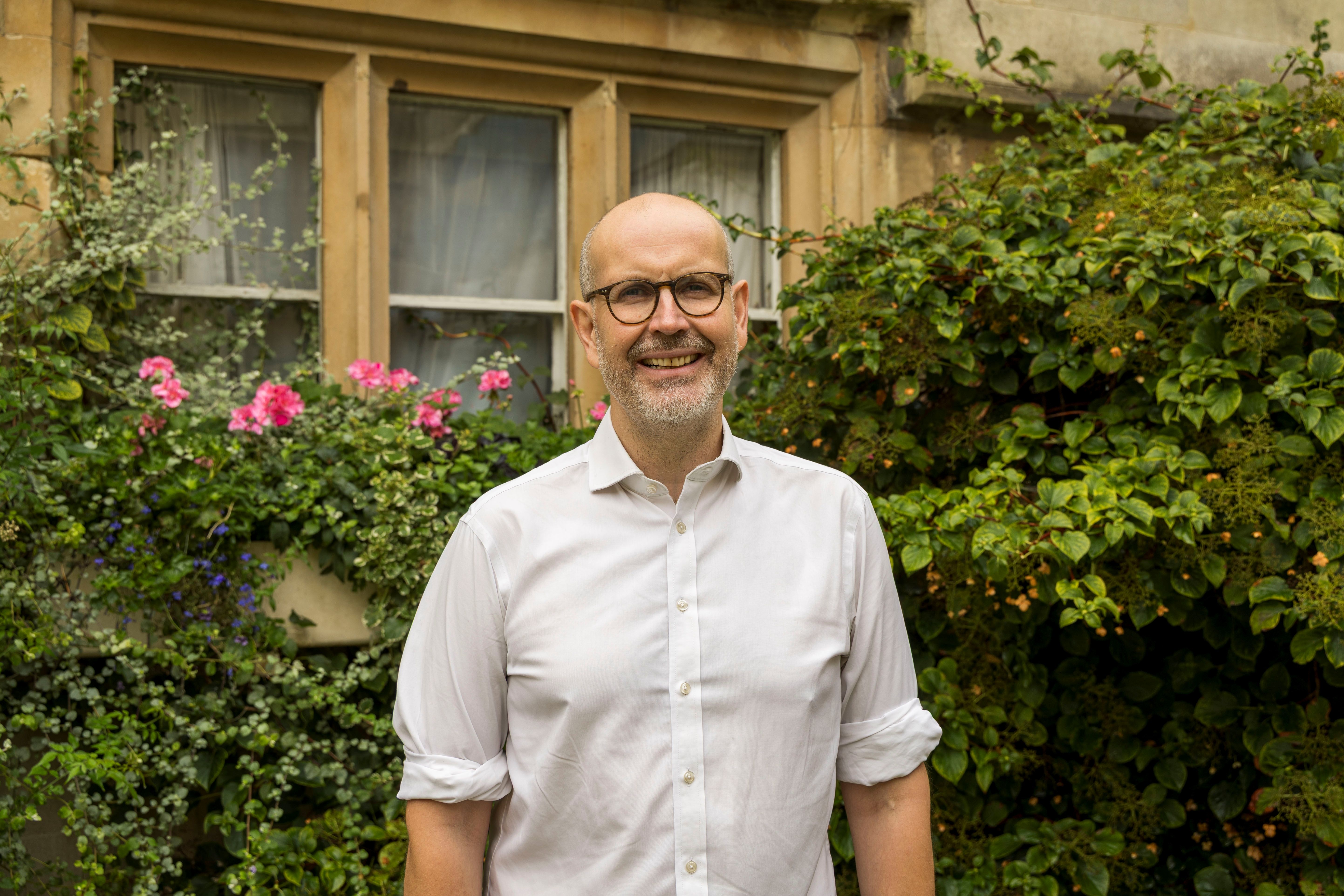
Pembroke Stipendiary Lecturer in Medicine, Dr Ed Mitchell, has recently taken up a new post as Research Lead at Broadmoor Hospital.
Broadmoor is one of three high secure mental health hospitals in England and Wales. It cares for male patients with serious mental illness, ranging from psychotic illnesses such as schizophrenia to personality disorders including dissocial personality, who pose an immediate risk to the public. Many of the hospital’s patients also suffer from long-lasting serious physical health issues, or develop these during their stay in the hospital.
There are challenging clinical, legal, and ethical issues raised by working with a vulnerable group of patients in a restrictive setting such as a high secure hospital. However, largely due to their relatively small number, clinical complexity of their illness, and long stay, our knowledge is limited about how best to improve clinical outcomes, quality of life, and to reduce risk of violence.
‘It is a privilege to take on this role and work with Broadmoor’s team of psychiatrists, psychologists, specialist nurses, and allied health professionals,’ shared Ed. ‘We have a wide range of projects as diverse as virtual reality in mental health treatment, restorative justice, the ethics of compulsory treatment, and reducing weight gain and other side effects of antipsychotic medication. Many patients, particularly as they recover, are very keen to participate in research. This “co-production” of research between patients, clinicians and researchers can be highly constructive and helps to challenge preconceived ideas.’
Ed is a consultant forensic psychiatrist working for West London NHS Trust who read Experimental Psychology at Pembroke in 1991 before returning in 2004 to complete the graduate degree in Medicine. He is a Stipendiary Lecturer at Pembroke, Educational Supervisor for clinical medical students, and an Honorary Senior Clinical Lecturer in the Department of Psychiatry. His PhD thesis examined societal attitudes towards mentally disordered people who commit serious crime, and how this shapes decisions about their criminal responsibility and whether to send them to prison or hospital.